 Swim England Members
Your questions on physiotherapy answered
March 30, 2026To help you get the most from your time in the water, we asked our members to share the questions they most often have about physiotherapy in aquatics.
Many of you wanted to know what physiotherapy is, whether you might benefit from it and what qualifications someone needs to become a physiotherapist. Others were keen to understand which exercises can support recovery, build strength or help you stay active.
Straight forward answers to common questions from members
What is physiotherapy?
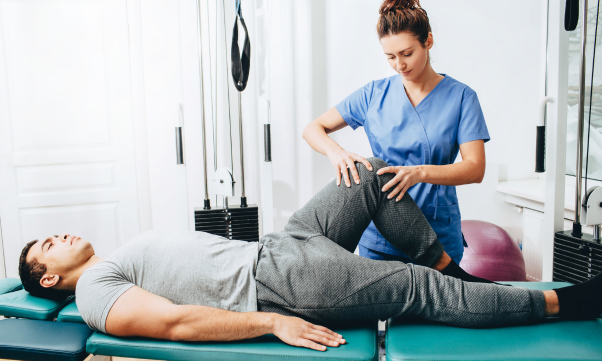
Physiotherapy helps people affected by injury, illness or disability through movement and exercise, manual therapy, education and advice.
Physiotherapists support people of all ages to stay healthy, manage pain and reduce the risk of disease. The profession focuses on development and recovery, helping people stay active, independent and able to take part in work, leisure and everyday life. Find more information on physiotherapy here.
What is the key exercise that water polo, diving, artistic swimming and swimming all benefit from?
A common exercise that is used throughout all sports is one that allows you to work on core strength and stability.
Core strength and stability are important across all sports and are especially valuable in aquatic disciplines.
A simple place to start is a stable tabletop position. From here, slowly lower one heel to the floor at a time while keeping the rest of the body steady. As confidence and control improve, this can progress to dead bugs. Short demonstration below of dead bugs at 5 minutes 50 seconds.
These exercises help build strong, controlled posture, which supports better technique and balance in the water.
Flexibility through the lat muscles is also important, as they support smooth and efficient arm movement.
A gentle way to stretch the lats is to start in a child’s pose. From this position, slowly walk the hands to one side, then the other, focusing on a comfortable stretch rather than pushing too far.
Improving flexibility here helps swimmers lift their arms overhead more comfortably and reduces unnecessary strain on the shoulders. Below you can see more stretches to help improve your flexibility.
How can someone start a career in physiotherapy?
Work experience is a great starting point. Before starting with a degree in Physiotherapy you can gain transferable skills that can be taken into the physiotherapy role such as communicating with customers in a restaurant or shop, caring roles such as a care assistant and volunteering roles.
What is the best university degree to study if you want to become a physiotherapist?
To become a chartered physiotherapist you need a BSc (Hons) in Physiotherapy.
What does cupping therapy do?
Cupping is a complementary therapy, its there to support lymphatic drainage by gently lifting the skin using a light vacuum. Some people find it helps with muscle recovery after training or and activity.
Should I consider seeing a physiotherapist, and what are the benefits?
Physiotherapists can help with a wide range of conditions, but joint and soft tissue problems are especially common in aquatic sports. A physiotherapist will assess what’s going on and develop a treatment plan which may include exercises, joint mobilisation or massage, along with other techniques.
In sport physiotherapist play a key role in physical preparation before training and competition. This involves looking at how an athlete moves and recommending exercises that help them prepare for the demands of their sport.
How does hEDS affect swimming, and how can physiotherapy help manage it?
Hypermobile Ehlers Danlos Syndrome (hEDS) is a specific hypermobility condition that can cause joint instability and generalised pain. While swimming often suits people with good flexibility, hEDS can increase the risk of injury. With the right physiotherapy exercises and a good strength and conditioning programme many swimmers with hEDS are able to enjoy the water safely and confidently.
How do you become a physiotherapist working in sport?
Here is a journey of one of our qualified physiotherapists
My journey began by working alongside another physiotherapist across several sports teams until I gained enough experience to support athletes on my own. I later completed a Master’s degree in Physiotherapy in Sport. Most sports physiotherapists also hold at least a first aid qualification, and many complete sports trauma management courses depending on the sport they support.
Want your questions answered?
Every Tuesday we open up a brand‑new Splash and Chat topic on Instagram, giving you the chance to ask your questions directly to us. Whether it’s physiotherapy, mindset, training tips or wellbeing or even what you favourite warm up, you can drop your questions/answer into the comment box and we will have your answer.
Make sure you’re following along so you never miss a topic and so your questions can feature in the next Splash and chat, also don’t forget to give us a like and follow.
Got a burning question about hydration or nutrition? Take a look at the common questions we’ve answered before here