 Swim England Members
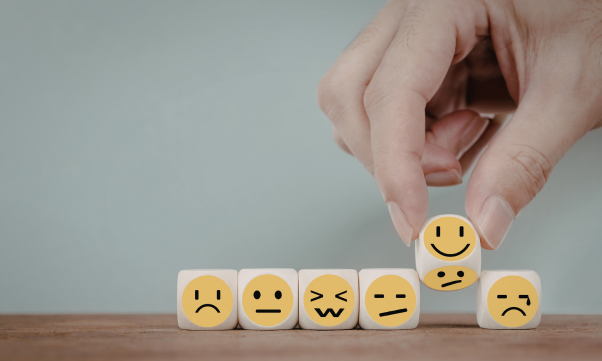
How being in the water can improve your mental health
May 12, 2026What is mental health?
Just as we all have physical health, we all have mental health too. Mental health charity Mind describes good mental health as being “able to think, feel and react in ways that help you live your life as you want to”. When your mental health is low, those usual thoughts, feelings or reactions can become much harder to manage. This can feel just as challenging as a physical illness, and sometimes even more so.
Many people face common issues such as anxiety or depression, while others may experience less common conditions like bipolar disorder or schizophrenia.
Mental health can affect anyone. They can be caused by a wide mix of factors, often overlapping and building on each other. Some people may feel the impact of certain experiences more deeply than others, but no single cause tells the whole story. Click here for more information
Benefits of being part an aquatic club
- Club members are, on average, 12% less likely to feel anxious than the general population.
- People aged over 55 who are involved in aquatics report lower levels of anxiety and higher levels of life satisfaction, happiness and a strong sense that life is worthwhile.
- Aquatic members have high levels of physical and mental health wellbeing.
- Children under 16 who are members of aquatic clubs show excellent levels of mental wellbeing.
- To learn more about the value of swimming and how it contributes to physical and mental wellbeing, visit the value of swimming (page 24)
Being in the water can improve you mental health
Being active has a positive impact on mental health. It can lift your mood, increase self‑esteem, lower the risk of depression, slow cognitive decline, improve sleep and help reduce stress.
Swimming has helped reduce symptoms of anxiety or depression for around 1.4 million adults, with adults also reporting how swimming helped reduce how often they visit a medical professional.
Three tips for you
Check in with your club mates to see how they are doing, but don’t take it all on yourself. Share any concerns with a responsible adult.
If you’re experiencing poor mental health, talk to a friend or a trusted adult. You can also contact Childline for confidential support.
Here’s the details
If exams or life are getting too much, talk to your coach to see how they can help you manage it.
Additional advice on mental health
For more information about mental health, please visit the following links from mental health charity Mind.