 Swim England Members
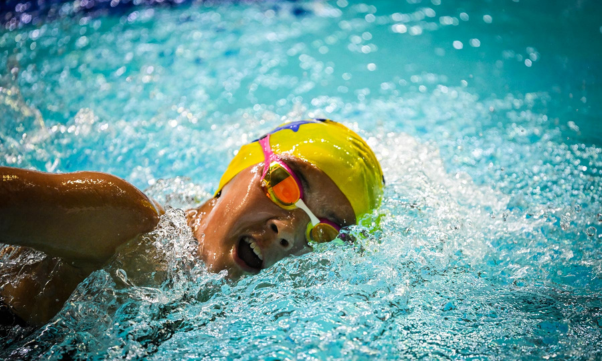
Preparing to perform
February 4, 2026Race-day warm-ups are a universal feature of competitive swimming, yet they are often based on tradition, habit, or personal preference rather than clear physiological principles.
While many warm-ups “feel right”, fewer are intentionally structured to prepare the swimmer for the specific demands of their event, the competition environment, and the realities of modern meet logistics — across all levels of the sport.
This article introduces a physiology-led, coach-friendly framework for designing competitive race warm-ups. Its a flexible model that can be adapted for age-group, pathway, and senior swimmers.
A three phase warm-up framework
This warm-up is made from three functional phases, each with a distinct purpose. Not all phases will be required or you may want more phases as for every swimmer or event it can be different, but together they provide a complete structure.
Phase 1
Muscle & Stroke Activation
- purpose: Elevate muscle and core temperature, improve blood flow, mobility, and stroke mechanics.
- Volume: 300–500 m
- Intensity: Easy aerobic (<65–70% max effort)
- Content: Mixed Swim, Technique-focused drills or a Light kick or pull
Phase 2
Race-Specific Priming
- Purpose: Prepare cardiovascular, metabolic, and neuromuscular systems for race demands, reduce early oxygen deficit and rehearse race mechanics and stroke rate
- Volume: 150–400 m total, in short reps
- Target ~2–6 minutes above the second threshold/race pace in short bursts
- Intensity: Race pace to slightly supra-race pace (brief, controlled efforts)
- Content: Broken race-pace reps (25–50 m) , turns, stroke rate, breakouts, breathing pattern and Optional brief supra-race bursts for nervous system priming
Phase 3
Neuromuscular Potentiation (Optional, Sprint-Focused)
- Purpose: Enhance neural drive and explosive power for starts and early strokes
- Volume: 25–100 m (2–4 × 15–25 m sprints)
- Intensity: Maximal intent, full recovery between efforts (≥60–90 s)
- Content: Short sprints with full starts or push-offs
Six Coaching tips to look out for
Swimmer Readiness & Fatigue
- Monitor both physical and mental readiness. Adjust warm-up volume and intensity based on recent training load, sleep, recovery, and swimmer feedback (RPE, stroke quality).
- Hydration & Nutrition
- Ensure swimmers are hydrated and have consumed the appropriate pre-race nutrition
Hydration & Nutrition
- Ensure swimmers are hydrated and have consumed the appropriate pre-race nutrition.
- To find more information head to nutrition
Psychological Factors
- Anxiety, arousal, and focus affect performance; warm-ups should incorporate familiar routines to boost confidence.
- Some swimmers may require longer mental preparation or visualisation you can find more tip on coping strategies here
Warm-Up Order for Multi-Event Swimmers
- If a swimmer has multiple events in a session or day, plan warm-ups strategically to maintain performance for each race.
- Consider shorter “mini warm-ups” or Phase 5 maintenance between swims.
Stroke & Event Specificity
- Warm-up should reflect the primary stroke and distance of the upcoming race.
- Medley or multi-stroke swimmers may require blended warm-up sets to efficiently cover all strokes.
Environmental Factors
- Pool temperature: Cooler water may require slightly longer activation.
- Air temperature: Consider clothing and Phase 5 strategies to maintain muscle temperature.
- Lane availability and pool logistics: Adjust sets to avoid congestion or unnecessary delays.