Just Swim
The medical facts of hormonal contraception for aquatic athletes and participants
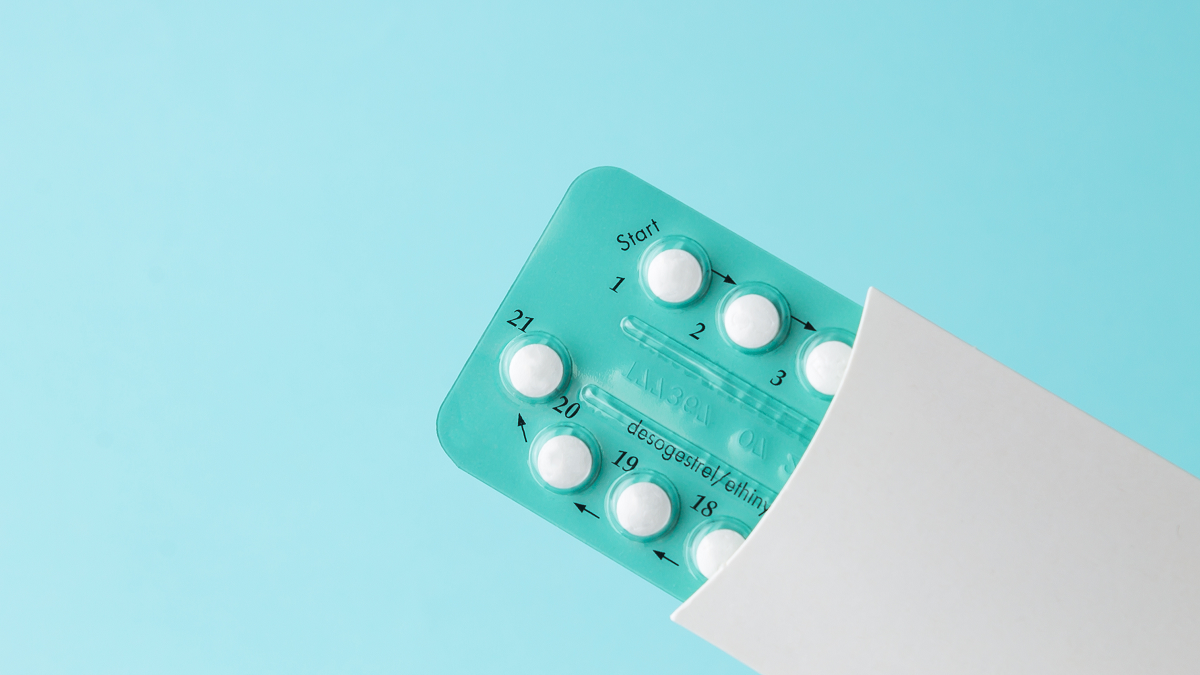
07/04/2025The most commonly used form of hormonal contraception is the oral contraceptive pill (progesterone alone or oestrogen and progesterone – there are many types with varying levels and types of these hormones).
Hormonal contraception also includes other forms of contraception such as patches, rings, or injections. In athletes, hormonal contraception can be helpful for many reasons however, in order to decide what is best for you, it is important to make an individual decision based on your specific needs and medical history and work with your doctor to decide what option is best for you.
Athletes and coaches are often concerned about possible side effects of hormonal contraception and this resource, produced by Aquatics GB’s Chief Medical Officer Dr Kate Jordan, aims to provide some simple information on the main advantages and areas to consider.
Advantages of using hormonal contraception:
- Prevention against unplanned pregnancy: hormonal contraception, when taken as directed, is an excellent method of birth control and effectively prevents unplanned pregnancy.
- Regulated Menstrual Cycles: the combined pill is particularly good at regulating menstrual cycles and can be bi or tri-cycled safely (taking two or three packets back-to-back without a break or withdrawal bleed) to allow women to have a period when convenient / around competition or travel.
- Reduced Menstrual Symptoms: when using hormonal contraception, women do not have a normal period. The monthly bleed is simply a withdrawal from the pill’s hormones during the break week. These withdrawal bleeds are generally lighter than a normal period with reduced menstrual cramps and lighter bleeding. The progesterone intra-uterine device (hormone coil) is the most effective medical treatment choice available for heavy, painful periods.
- Prevention of other menstrual-related issues: the correct choice of hormonal contraceptive can help to control the symptoms of premenstrual syndrome (PMS) and premenstrual dysphoric disorder (PMDD).
- Bone protection: there are some specific types of hormonal contraception that can be used to protect bone health in women who are at risk of low bone density.
Areas to consider:
- Side effects – Hormonal contraception can be associated with some side effects. The most reported symptoms are nausea, headaches, breast pain and mood swings. Different people respond in different ways to the pill and finding a combination which suits you can be trial and error. However, most women are able to find a pill that does not cause side effects.
- There is no evidence that the pill causes weight gain – Clinical studies have shown that there is no correlation between weight and using the hormonal pill, however, it can lead to fluid retention in some women. As above, there are many different pill hormone combination options and changing the type of pill can usually help this symptom.
- Impact on bone health – Long-term use of some hormonal contraceptives, particularly those that suppress ovulation such as standard dose hormonal pills and the contraceptive injection, can reduce bone density. This is a factor doctors consider in those with bone health concerns and with those at-risk. If you are at risk, see your GP to talk about changing to a different type of contraceptive pill that can protect bones instead (see the ‘advantages’ point five above).
- Need for consistent use – The contraceptive pill requires strict adherence to a schedule (i.e. daily pill-taking) to limit side effects such as breakthrough bleeding and to ensure its effectiveness as a contraceptive. This can sometimes be challenging for those with demanding training schedules or travel.
- Understanding your natural cycle – Some women who do not have problematic menstrual symptoms or a need for contraception prefer to have a natural cycle (no hormonal contraception) and find this allows them to be more in tune with their body throughout the month. The evidence for a natural cycle and tailoring training around this says each woman is different and that there is no formula to when is best to train based on time in your cycle. The best approach is to do what feels right for you.
- Not a normal period – The bleed you have when on either the combined or mini pill is not a period, it is a withdrawal bleed from the hormone you are taking. One way we determine a female’s health is by having regular periods so if you are on the contraceptive pill, you cannot monitor your health by monitoring your periods. As a result, you need to ensure your energy intake from nutrition is optimal.
The decision to use hormonal contraception or not should be made in consultation with a doctor, considering the factors mentioned above as well as personal health history, performance goals and lifestyle.
If the contraceptive pill is commenced, it is important to remember that you may need to try a few brands before finding one that is right for you and that most women manage to find an option that suits them.
For further information on contraception for athletes, please click here to watch the Well HQ video.