 Swim England
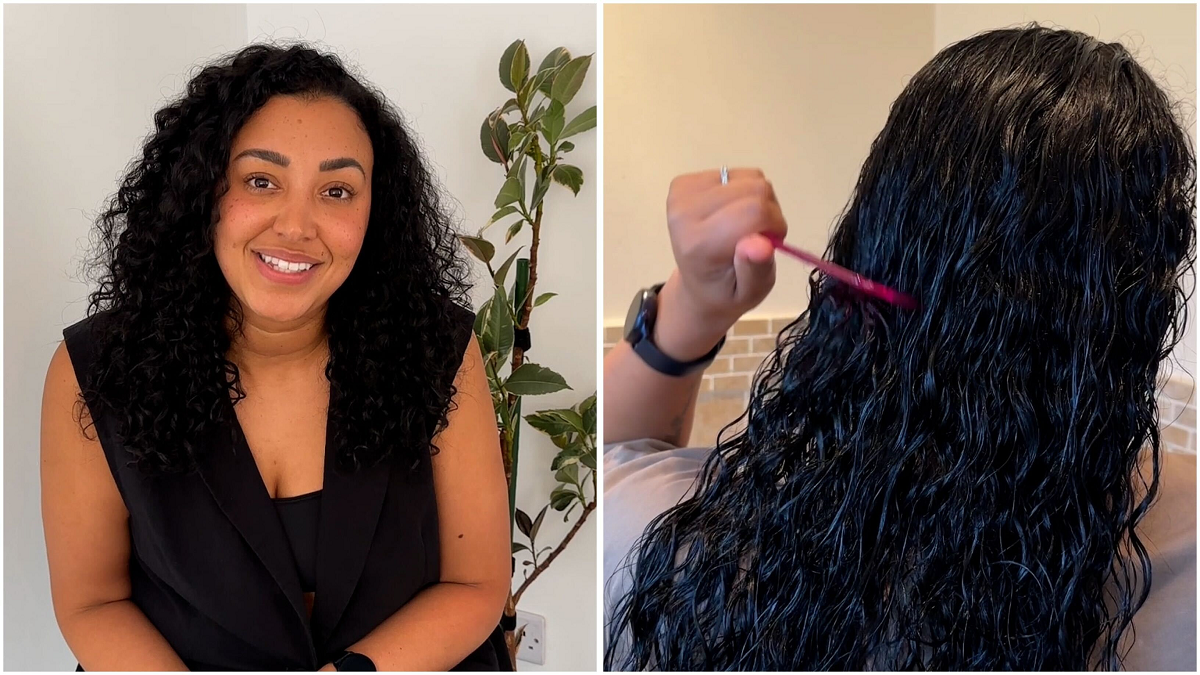
Top tips on caring for your hair when enjoying aquatic activity
15 October 2024Throughout October, Swim England is celebrating individuals from all aspects of our sport who are championing equality as part of Black History Month.
Here Marie Owen, who worked in the hair industry since she was 16 before joining Swim England Qualifications, shares her top tips on the best ways of caring for your hair.
‘Black girls won’t get their hair wet … if you get your hair wet after a chemical treatment, all of your hair will fall out’.
Like anyone who spends time and money on their hair, these are the kind of misconceptions that may deter Black people from taking part in aquatic activity.
Caring for black hair while swimming does present its own unique challenges that requires special attention to maintain healthy hair and vitality.
Black curly and coily hair tends to be more prone to dryness and breakage making it more susceptible to the harsh effects of chlorine and other chemicals in the water.
However, it should not be seen as a barrier to participation and mean missing out on all the physical and mental health benefits being active in the water can bring.
After leaving the water, afro and curly hair types, if left, can be difficult to manage into styles and require that little bit more nourishment to make the hair easier work with.
If you lead a busy life balancing children, work and home life, this may act as a deterrent to engage in aquatic activities as it may not always be convenient to travel with products or have the time to dedicate to your hair after being in the water.
My advice to anyone who has recently had a chemical treatment, such as relaxers, would be to listen to your haircare professional and adhere to the recommended after care advice and wait up to 48 hours before getting your hair wet.
Following this time period, the tips below will help to maintain your style.
Haircare routines can include pre-swim treatments, protective styles and post-swim conditioning and are practices that are essential in preserving hair integrity – but also allows for a more enjoyable and stress-free swimming experience.
The three Ps
Prepare: Saturating your hair with water and adding in a conditioner which absorbs into the hair leaves less room for harsh chemicals to enter the hair cuticles. You can add an oil or serum as a final step to really help lock your hair.
Protect: You can protect your hair from getting tangled by using a protective style. This can include twists, braids or buns. Look to invest in a quality swim cap. There are now swimming caps designed for thick curly hair, braids, dreadlocks, weave and hair extensions.
Products: Particularly with curly hair, there can be a hefty haircare routine in place with sometimes up to seven products being used to style the hair. Some of the top products recommended for, but not limited to, black hair are:
- A sulphate/silicone free shampoo
- Leave in conditioners
- Deep conditioning masks – moisture not protein based
- Oils ranging from coconut oil, argan oil, Sweet almond oil
- Serums
After swim care
Prioritise some haircare steps to help preserve moisture and prevent damage after your swim by:
- Rinsing your hair thoroughly with cool or lukewarm water. The cooler water helps to close your cuticles
- Using a deep conditioner once or twice a week
Co-washing
Co-washing is a method where you will cleanse your hair using only conditioner. If you swim regularly, shampooing after each swim can dry out your hair, stripping the hair of its natural oils. Co-washing is a great alternative.
- Rinse hair thoroughly with lukewarm water
- Use a cleansing conditioner
- Use a deep conditioning mask
You can either rinse out the mask after 10 to 15 minutes and style or leave in and your hair will be protected and ready for the next swim.
The L-O-C Method
The L-O-C method is an acronym that stands for the products and steps used for styling curly and coily hair after cleansing.
- Leave ins (water based)
- Oils
- Creams
The L-O-C method is a styling routine where you will layer products onto freshly cleansed hair to maximise moisture retention and is very similar to how you apply skincare, starting with the lighter products first and moving on to the heavier-based products.
The good thing about this method is that it is a three-step regime that focuses on moisturising curls and coils so that the hair is left hydrated and frizz free.
This wash and go regime is great for people who are short on time and/or do not want to bring many products with them whilst they are on the move.
Following these steps can enable you to access the water confident that you aren’t going to damage your hair.
Marie has also produced a video which covers all of this information. To watch the full video, please click here.