 Swim England
Government grassroots funding - Swim England make the case for swimming
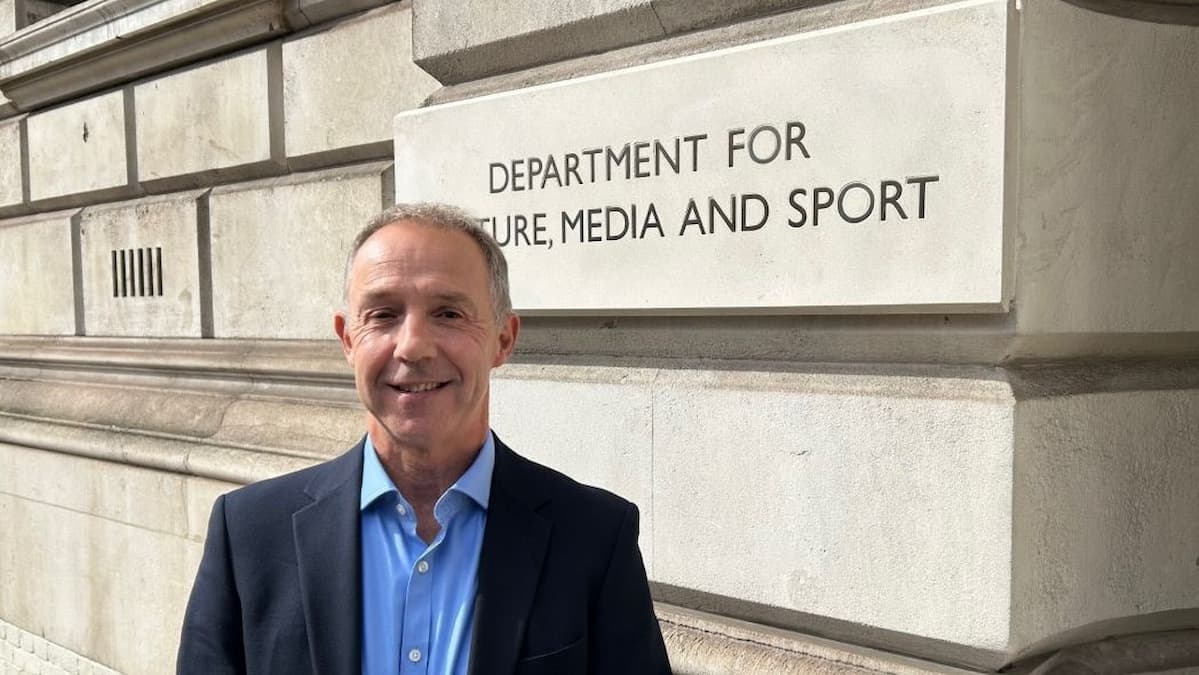
22 September 2025Andy Salmon, Chief Executive of Swim England, recently attended a meeting in Westminster to make the case for swimming to receive a meaningful share of the UK Government’s previously announced £400 million grassroots sports funding.
The meeting was held with the Minister for Sport and officials from the Department for Culture, Media and Sport (DCMS) and comes off the back of a letter sent to government by a coalition of leaders from across local government and the fitness and leisure sector.
The coalition – made up of Swim England, the Local Government Association, Chief Cultural and Leisure Officers Association, Society of Local Authority Chief Executives and Senior Managers, Community Leisure UK and ukactive – is calling for the funding to be invested in the facilities that people rely on every day to stay active and healthy.
Importance of swimming
Figures from Swim England show just how important pool access is. In the past year alone, 12.4 million adults went swimming, with 4.2 million doing so at least twice a month.
For many, swimming is more than just exercise — 1.4 million people said swimming helped ease symptoms of anxiety or depression. Regular swimming can also reduce the risk of chronic health conditions by up to 40 per cent, making it one of the most effective forms of physical activity for overall wellbeing.
The meeting took place amid stark warnings about the state of the nation’s leisure infrastructure:
- 30 per cent of children in Year 7 cannot swim 25 metres confidently – up from 27 per cent in 2017/18.
- Since 2010, 500 swimming pools have closed, representing a loss of over 34,000 square metres of water space. Nearly half of these closures occurred in the last five years.
- 63 per cent of main sports halls and 60 per cent of swimming pools are beyond their expected lifespans or in need of refurbishment.
- 24 per cent of council areas face the risk of reducing or closing leisure services due to rising energy and operational costs.
- If current trends continue, physical inactivity could rise by 35 per cent by 2030, placing further strain on the NHS and public finances.
- Public demand for health and fitness facilities is growing, with a record 11.5 million people now a member of a health and fitness club in the UK, but growth is hampered by economic conditions.
As conversations with DCMS continue, Swim England remains committed to ensuring swimming pools and leisure centres are recognised as a vital part of community sport and public health and that the nation has a sustainable network of pools for the future.
To see the full video of Swim England Chief Executive, Andy Salmon, discussing his meeting, visit the Swim England Instagram page here.