 Swim England
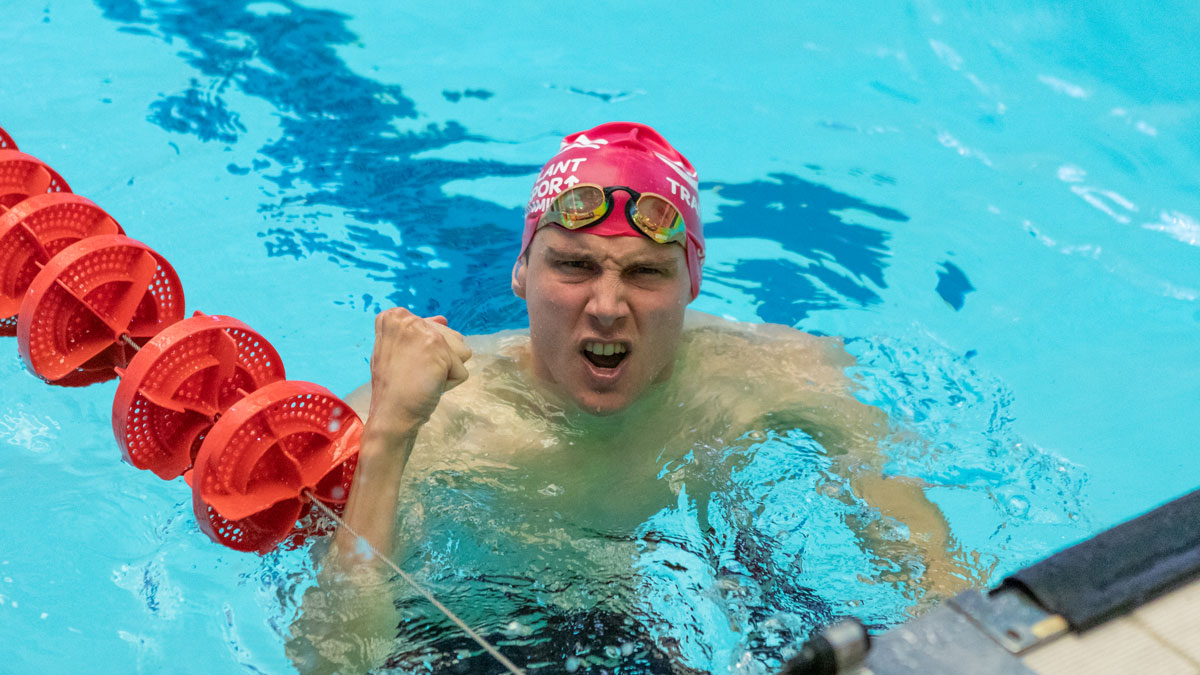
Liam Barnett – rebuilding strength through swimming
8 August 2025For Liam Barnett, the swimming pool has always been a source of strength, focus and community.
Growing up as a competitive club swimmer, and later captain of his university swimming and water polo teams, the sport was a central part of his life. But after graduating, everything changed.
Diagnosed as a teenager with autoimmune liver disease, a condition where the immune system attacks the liver, Liam’s health declined rapidly in his early twenties.
“I deteriorated very quickly after university,” he recalls. “I ended up in hospital with jaundice and infections. My liver just gave up.”
Liam was fortunate to receive a liver transplant after just one week on the waiting list, but the procedure and recovery were anything but simple. “I had complications. Internal bleeding. More surgeries. I moved home and took six months to recover before I could return to work.”
Swimming, though, was never far from his mind. “Once I got back in the pool, I think it was six months post-transplant, it felt amazing. Like a drug. After being unable to move or exercise, to get that adrenaline and endorphin rush again, it was incredible.”
He joined Cambridge Masters Swimming Club and, a year after his transplant, competed in his first British Transplant Games. “I wasn’t sure what to expect, but I ended up doing pretty well, I went 57 seconds for 100m Freestyle. That caught a few people’s attention.”
That breakout performance led to selection for the World Transplant Games in South Africa. There, Liam set his sights on a bold goal, to win seven gold medals and break seven world records. “It sounds ambitious, but I looked at the times and thought, why not?”
And that’s exactly what he did.
Since then, Liam has become a fixture on the British Transplant Swimming Team, not just as an athlete, but as a leader and mentor.
Alongside Jodie Cox, he’s helped organise training sessions, supported swimmers new to the sport, and advocated for greater recognition of transplant athletes within the wider swimming community.
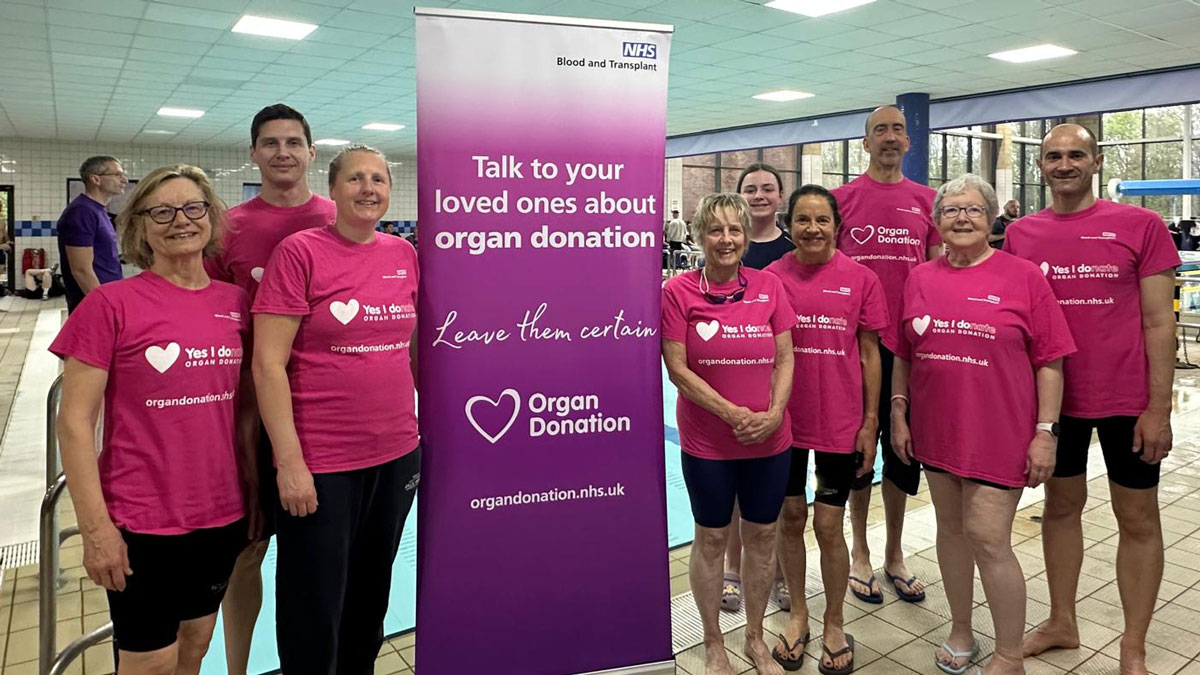
Liam is passionate about the value of swimming for transplant recipients. “It’s a life sport,” he says. “Accessible, full-body exercise that’s low-impact, perfect for recovery and long-term health.
“I truly believe I’m healthier because I swim. I pump blood through my donated liver and keep my whole system working.”
But more than just physical recovery, Liam credits the transplant sport community with transforming his life. “I’ve met some of my best friends through this, including Jodie. It’s that mix of shared experience and shared passion. When something’s going wrong, we’ve got each other to lean on.”
He recalls one such connection with a Canadian swimmer who shared a tip that helped manage a condition called ulcerative colitis, connected to Liam’s liver condition.
“He told me about a specific treatment that wasn’t standard in the UK. I convinced my doctors to try it, and it changed everything. It might have saved me from needing a stoma, which would have had a huge impact on my confidence as a swimmer.”
Now training in Spain, Liam feels reinvigorated. “New club, new goals. I’ve got better access to 50m pools, and I’m heading to Spanish Nationals in Gran Canaria. First time racing outdoors, I can’t wait.”
As the World Transplant Games in Dresden approach, Liam continues to play a vital role, though he’s also eyeing a transition. “We’ve done this for over a decade. We’re ready to hand the baton to the next generation. And they’re ready, especially our juniors, who are so passionate and talented.”
On home ground, last year in August Liam, Jodie and Ava all attended the Tadcaster summer meet, one of the first events to recognise transplant as its own category.
“Jodie and I had our transplants when we were fully grown adults, but some kids who have transplants and take meds from an early age are at a disadvantage.
“We have seen it is important to recognise this and help to build the confidence of these amazing young swimmers, so that they keep swimming and stay healthy. We hope to see more examples like Tadcaster.”
His message to anyone awaiting or recovering from a transplant? “Be kind to yourself. Listen to your body. But don’t be afraid to dream.
“There’s a community out here, people who get it. And if you love swimming, it can give you back so much more than fitness. It can give you life.”
To find out more about the upcoming World Transplant Games, please visit: https://wtg2025.com/
If you would like to know more about the Transplant Swimming Club, email: [email protected]
If you want to find out more about transplant and organ donation, visit: https://www.organdonation.nhs.uk/