 Swim England
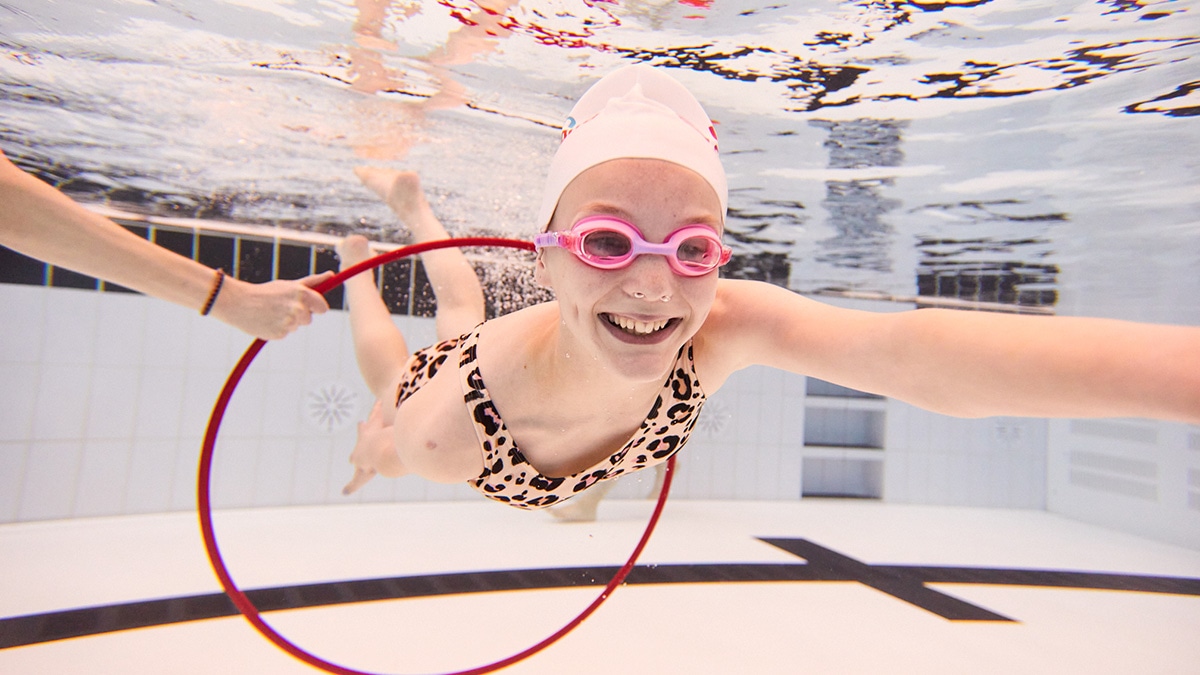
Water Safety Success – New DfE RSHE Statutory Guidance Introduces Water Safety Code in Schools
25 July 2025The Department for Education (DfE) recently announced that the Water Safety Code will be integrated into the newly released Relationships, Sex and Health Education (RSHE) statutory guidance for schools in England.
This significant development will enhance water safety education for students in primary and secondary schools. The statutory inclusion of this vital education marks a key step toward equipping young individuals with the knowledge and skills necessary to navigate water environments safely.
Ahead of World Drowning Prevention Day on 25 July, the Minister of State for School Standards, Catherine McKinnell MP met with leading water safety organisations including Swim England, RLSS, RNLI and the Canal and Rivers Trust to discuss the new guidance and reiterate the importance of water safety.
Swim England CEO Andy Salmon, said, “Having campaigned on this issue for a number of years this is a very welcome announcement that will make a real difference for children up and down the country. We have been pleased to work with the government to make this a reality and look forward to helping ensure more children are safe in, on and around the water.”
School Standards Minister, Catherine McKinnell said:
“Swimming and water safety is a vital life skill, and we are determined to ensure every child learns how to be safe in and around the water.
“As part of our Plan for Change, we’re making sure all pupils from primary through to secondary school understand how to be water safe through the new RSHE statutory guidance which will support schools to deliver high-quality water safety education, helping to keep children safe now and into the future.”
Collaboration among various organisations, including the National Water Safety Forum, which includes Swim England, RLSS UK, the Royal National Lifeboat Institution (RNLI) has been instrumental in driving change in water safety education and promotion of the Water Safety Code.
A key element of this code is knowing how to float, which can be vital for individuals who unexpectedly find themselves in water. “Find Your Float” is the theme of this year’s World Drowning Prevention Day.
How to Find Your Float:
By practising how to float at your local swimming pool, lifeguarded beach or supervised open water swimming venue, you’re better prepared for what to do in an emergency.
- Tilt your head back with your ears submerged.
- Relax and try to breathe normally.
- Move your arms and legs to improve stability.
- Don’t worry if your legs sink, we all float differently.
- When the initial shock has passed, shout for help or swim to safety if you can.